If you picture Park City as a place where every errand starts with a car, Historic Park City may surprise you. In the Historic Main Street and Old Town core, you can walk to shops, use fare-free transit, and tap into a pathway network that makes getting around feel simple in a way many mountain towns do not. If you are thinking about buying, renting, or investing here, it helps to understand where car-free living works well, where it becomes car-light instead, and what that means for your day-to-day routine. Let’s dive in.
Why Historic Park City Works
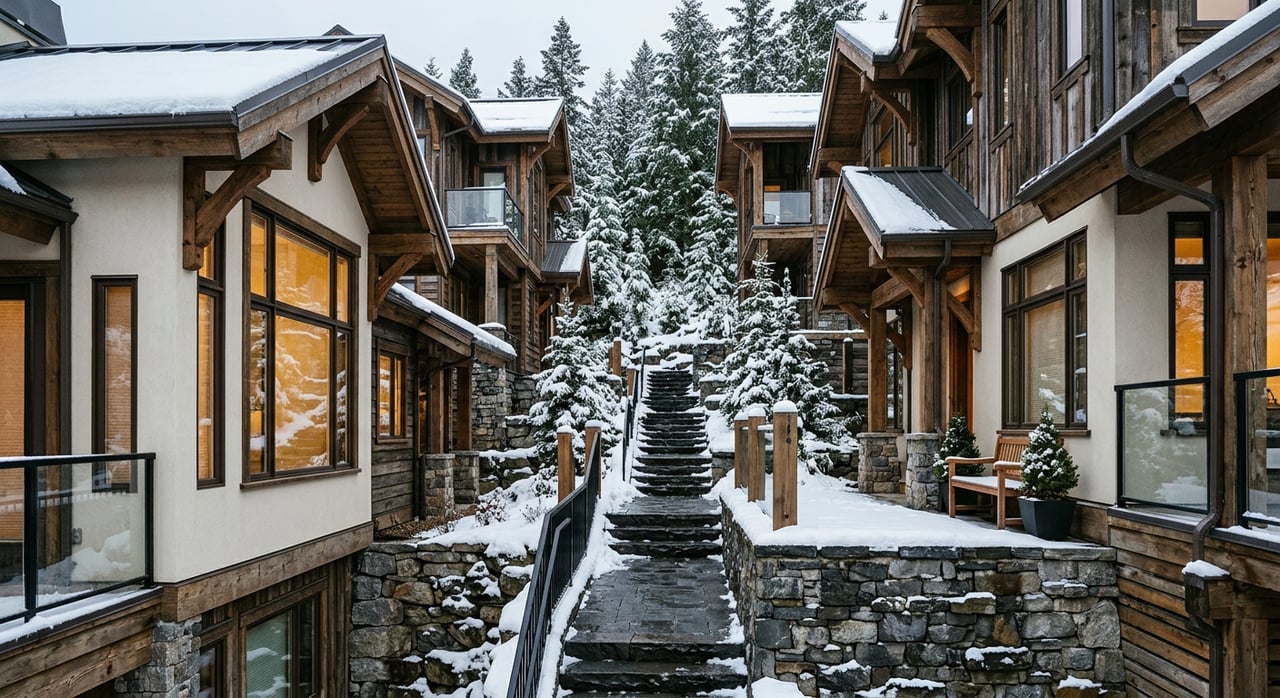
Historic Park City offers a rare mix of charm and function. Park City notes that the area includes more than 400 historic sites and two National Register Historic Districts, while the Main Street Area Plan focuses on sidewalks, plazas, parking, transit, and special events that support how the district works over time.
That matters because a car-free lifestyle depends on more than scenery. You need a compact layout, everyday services within reach, and reliable ways to move between home, dining, shopping, and recreation. In the Historic Main Street and Old Town core, that combination is already in place.
Visit Park City describes Historic Main Street as the best area for walkability and says a car is not necessary thanks to the free and extensive transit system. The same source also highlights the area as a walkable collection of shops, galleries, and boutiques, which supports the kind of daily routine where you can step outside and get where you need to go on foot.
Walkability Starts on Main Street
If your goal is to live with fewer car trips, location inside 84060 matters. The strongest fit is the Historic Main Street and Old Town core, not the entire ZIP code.
In practical terms, this is the part of Park City where you can most easily walk to coffee, dining, retail, and seasonal events. The street grid, compact scale, and concentration of local destinations help turn walking into a realistic daily habit rather than a weekend perk.
That does not mean every need is right outside your door. Larger errands still require more planning, especially when you are stocking up on groceries or heading beyond the core. Still, if you want the closest thing to a car-free routine in Park City, this is the area that best supports it.
Free Transit Does the Heavy Lifting
One of the biggest reasons Historic Park City works without a car is Park City Transit. The system has offered fare-free public transportation since 1975, which gives residents a reliable option that can replace many short local drives.
Current service includes fixed routes such as the Old Town Express and the Trolley, along with on-demand service. According to Park City Transit, the network connects nearly every neighborhood, including Historic Main Street, Park City Mountain, Deer Valley Resort, and Kimball Junction, with expanded service during peak winter and summer seasons.
For everyday living, that means transit is not just for visitors. It is a year-round local mobility system that can help you move between home, resort areas, shopping zones, and activity hubs without relying on a personal vehicle for each trip.
The on-demand service adds another useful layer. Since it includes Main Street, it can help fill gaps when a fixed route is less convenient, which makes a car-light routine more practical for residents and second-home owners alike.
Groceries and Errands Take Strategy
A realistic car-free lifestyle always comes down to errands. Visit Park City says several full-service grocery stores are located in and around town and are accessible by free transit and by bike using the paved trail system.
That is encouraging, but it also points to the tradeoff. Grocery shopping is possible without a car, yet it may not feel as effortless as stepping out for dinner on Main Street. Many residents will find that the best setup is a walkable daily routine paired with transit or biking for larger shopping trips.
For buyers considering a condo, townhome, or historic property in this area, it helps to think beyond the map. Ask yourself how often you want to shop, whether you prefer frequent small trips or fewer large runs, and how transit access lines up with your building and routine.
Trails and Pathways Extend Your Range
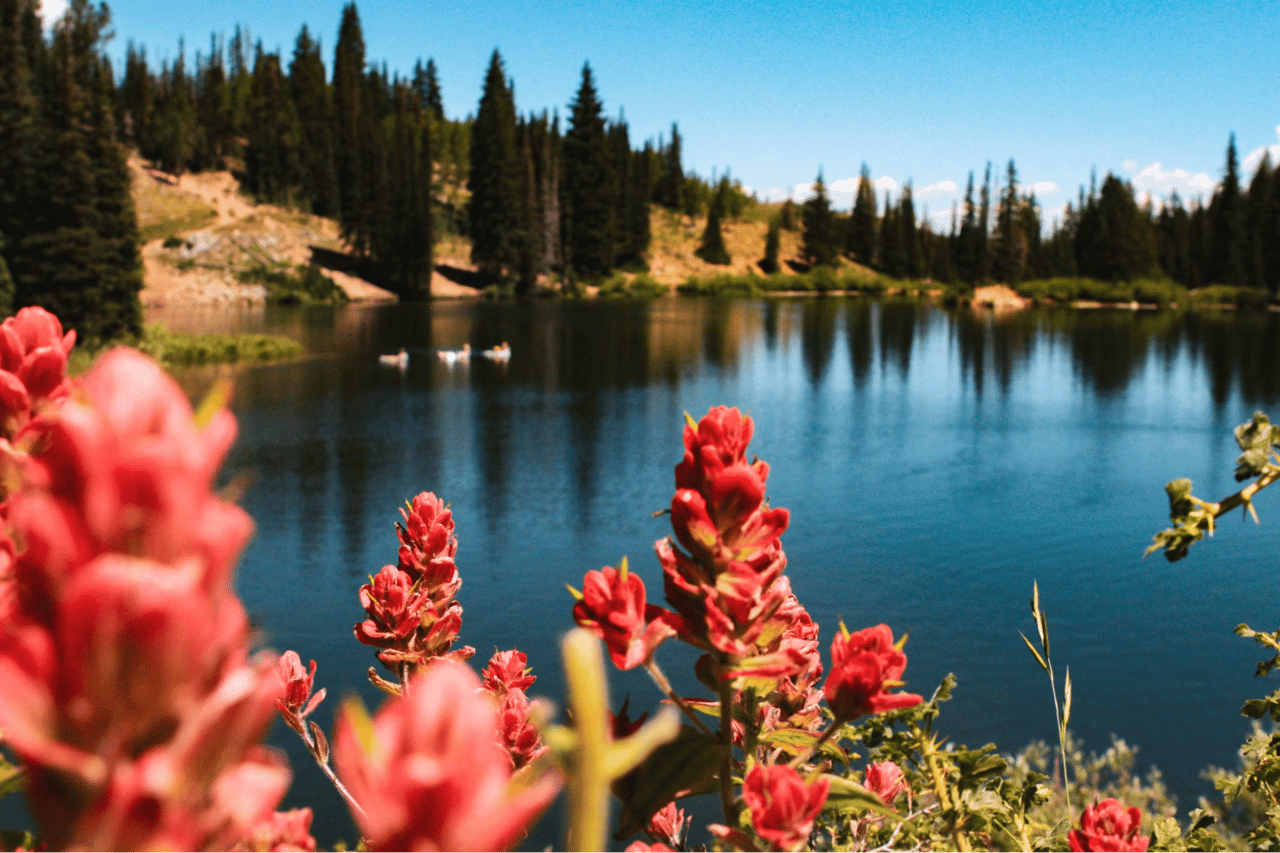
Historic Park City’s car-light appeal is not limited to sidewalks and buses. The city says the area includes more than 7,000 acres of preserved open space, more than 350 miles of recreational trails, and over 40 miles of non-motorized multi-use pathways with wayfinding signs and estimated times and distances.
That pathway system matters for everyday mobility. It creates another layer of connection between neighborhoods, trailheads, resorts, and Historic Old Town, which helps walking and biking feel useful for transportation, not just recreation.
The city’s trail guide points to beginner-friendly routes such as the Rail Trail and the McLeod Creek/Farm Trail. Corridors like these can support quick bike trips and active daily movement, especially during seasons when you want an alternative to driving but are not heading far.
Visit Park City also notes that Park City is highly walkable, especially around Historic Main Street and the resort base areas, with paved and natural-surface paths connecting key destinations. For many residents, that network is what turns the idea of car-free living from aspirational into workable.
Town Lift Adds a Unique Lifestyle Benefit
Few mountain towns offer this kind of direct link between downtown and the slopes. Park City Mountain says Town Lift takes riders from Main Street to the bottom of Bonanza Express, and its published summer 2026 hours also list a Town Lift Scenic Ride.
For owners and renters in Historic Park City, that means mountain access can be part of your regular routine without driving to another base area. In the right location, you can move from coffee to lift access with very little friction.
The resort also allows non-motorized uphill access on Homerun up to the Angle Station at the top of Town Lift during designated season hours. While this is seasonal and subject to operating rules, it adds to the broader point: in this part of Park City, outdoor access is woven into daily life.
The Tradeoffs You Should Know
Historic Park City is better described as car-light than absolutely car-free. You can handle many parts of everyday life without a vehicle, but a few practical realities still matter.
One major factor is parking. Visit Park City notes that Historic Main Street parking is paid, and town-owned overnight parking is generally prohibited, especially in winter for snow removal.
That parking setup can actually reinforce a lower-car lifestyle, since it makes the free transit system even more valuable. At the same time, if you expect to keep a vehicle, you will want to understand your building’s parking situation or a property’s private parking setup before you buy.
Seasonality is another factor. Peak winter and summer periods can bring expanded transit service, which is helpful, but weather, gear, and grocery hauling still require some planning. Regional travel outside Park City also remains easier with a car or another backup transportation option.
Historic Homes Need Extra Review
If you are drawn to the character of Historic Park City, there is one more important detail to keep in mind. Park City’s Historic District guidance says that work modifying historic material requires a Historic District Design Review Application reviewed by the Historic Preservation Board, and most work in the district requires a pre-application.
For buyers, this is not a downside so much as a planning issue. Historic ownership can come with meaningful preservation oversight, especially if you intend to renovate, alter exterior details, or update certain features.
That makes due diligence especially important. If you are evaluating a historic property as a primary home, second home, or rental asset, you will want a clear picture of what changes may require review and how that may affect your timeline and budget.
What Car-Light Living Means for Buyers
For the right buyer, Historic Park City offers a lifestyle that is hard to replicate. You get a walkable historic core, fare-free transit, broad pathway access, and seasonal lift connectivity that supports both convenience and recreation.
This can be especially appealing if you want a second home with easy in-town access, a condo or townhome that supports lock-and-leave ownership, or an investment property in a location where guests value proximity to Main Street and the slopes. It can also fit full-time residents who want to drive less and live closer to the center of town activity.
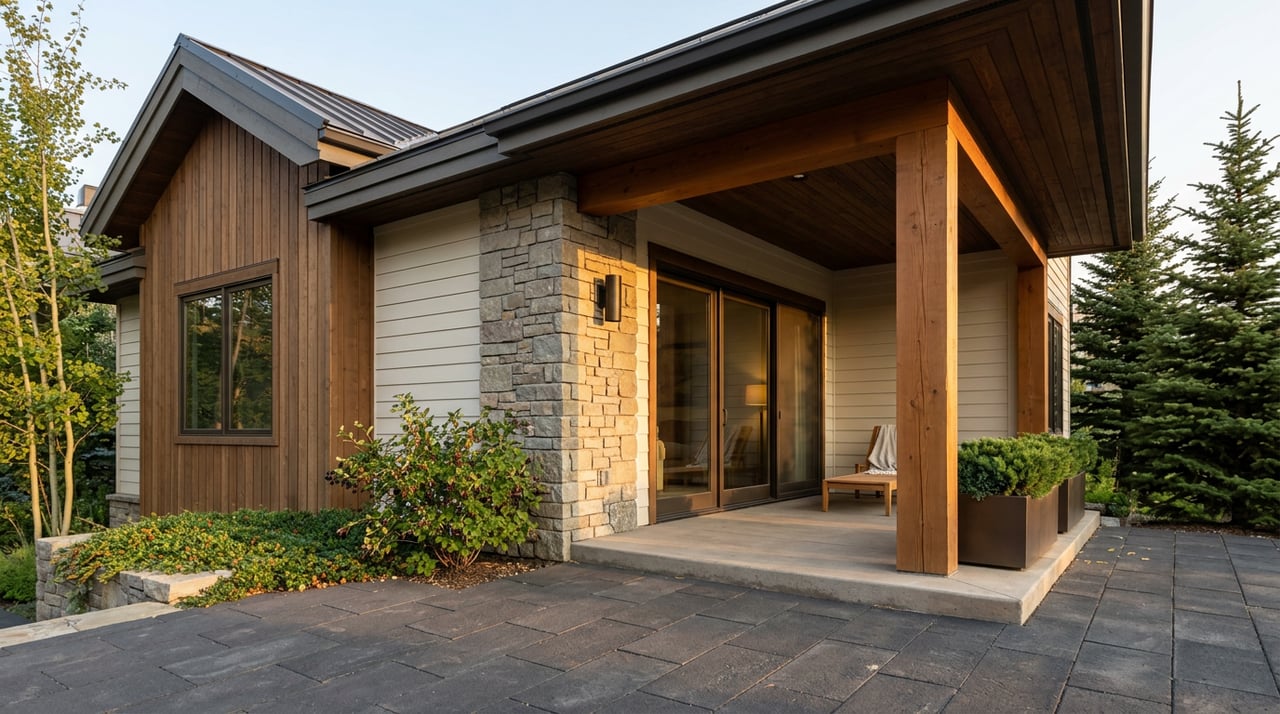
The key is to match the property to the routine you want. Some homes support a near pedestrian lifestyle, while others in the broader 84060 area still depend more heavily on driving. Micro-location matters here as much as square footage or finishes.
A Smart Way to Evaluate Properties
If car-light living is a priority, it helps to evaluate each property through a daily-use lens. A beautiful home in 84060 is not automatically a walkable one.
As you compare options, consider these questions:
- How close is the property to Historic Main Street or Old Town?
- How easy is it to reach a Park City Transit stop or on-demand service area?
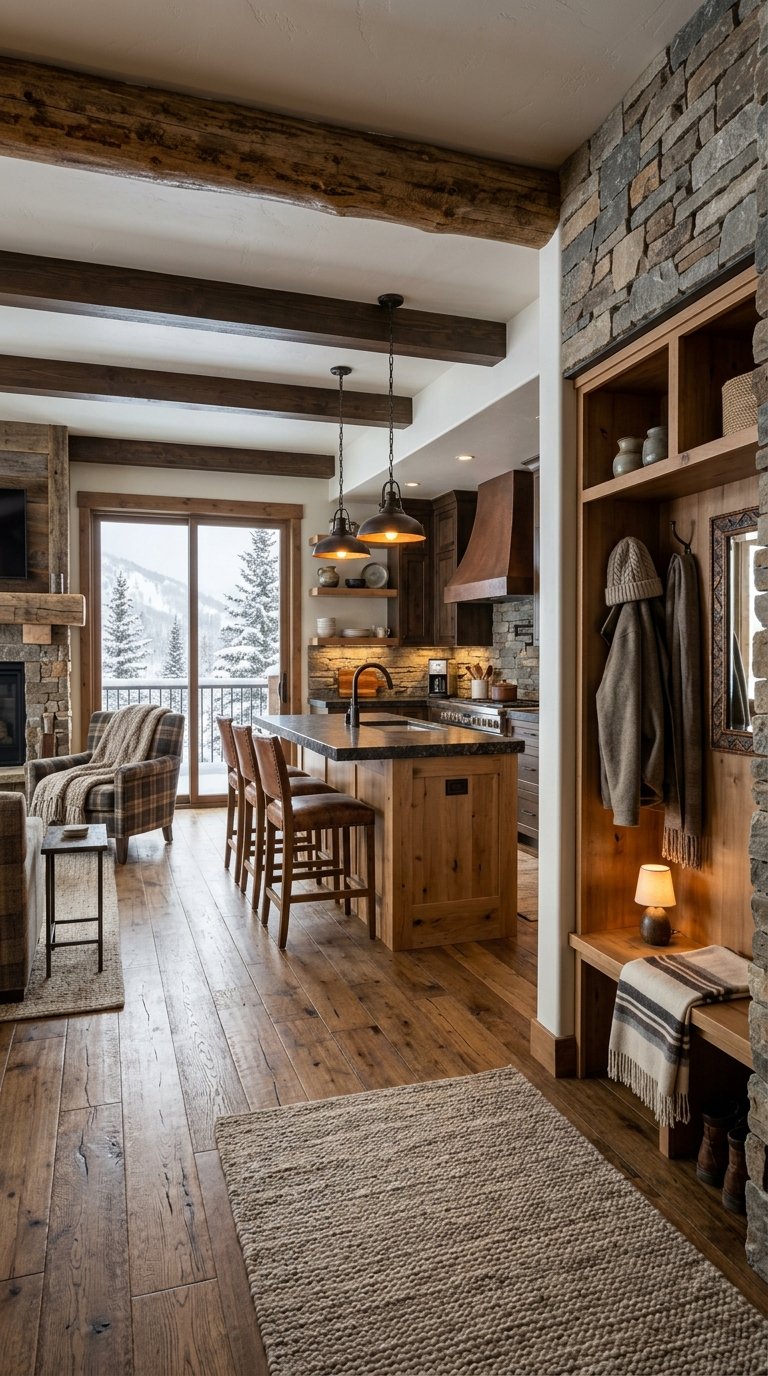
- Does the home offer practical storage for bikes, skis, or daily gear?
- What is the parking situation, especially in winter?
- If the property is historic, what kinds of updates may require review?
- How realistic are grocery and larger errand trips without a car?
These details can shape how the property feels in real life. They also help you choose a home that supports the lifestyle you actually want, not just the one shown in a listing photo.
Historic Park City stands out because it offers something many mountain markets cannot: a genuine chance to live well with less driving. If you are considering a purchase, sale, or investment in this part of Park City, working with an advisor who understands both the lifestyle and the operational details can make the process much smoother. When you are ready to explore the right fit, Richard Taleghani can help you evaluate properties with a clear local perspective.
FAQs
Is Historic Park City truly car-free for full-time living?
- Historic Park City is best described as car-light rather than fully car-free, since many daily trips can be done on foot or by free transit, but grocery runs, winter logistics, and regional travel still require planning.
Does Park City have free public transit in Historic Main Street?
- Yes, Park City Transit is fare-free and includes service to Historic Main Street, with routes such as the Old Town Express, the Trolley, and on-demand service that includes Main Street.
Are grocery stores accessible from Historic Park City without a car?
- Yes, Visit Park City says several full-service grocery stores in and around town are accessible by free transit and by bike via the paved trail system.
What makes Old Town Park City more walkable than other parts of 84060?
- The Historic Main Street and Old Town core has the strongest mix of compact layout, sidewalks, shops, dining, transit access, and connections to trails and lift access.
Can you access Park City Mountain from Main Street without driving?
- Yes, Park City Mountain says Town Lift takes riders from Main Street to the bottom of Bonanza Express, giving residents and visitors direct seasonal mountain access from downtown.
Do historic properties in Park City require extra approval for changes?
- Yes, Park City says work that modifies historic material requires a Historic District Design Review Application reviewed by the Historic Preservation Board, and most work in the district also requires a pre-application.