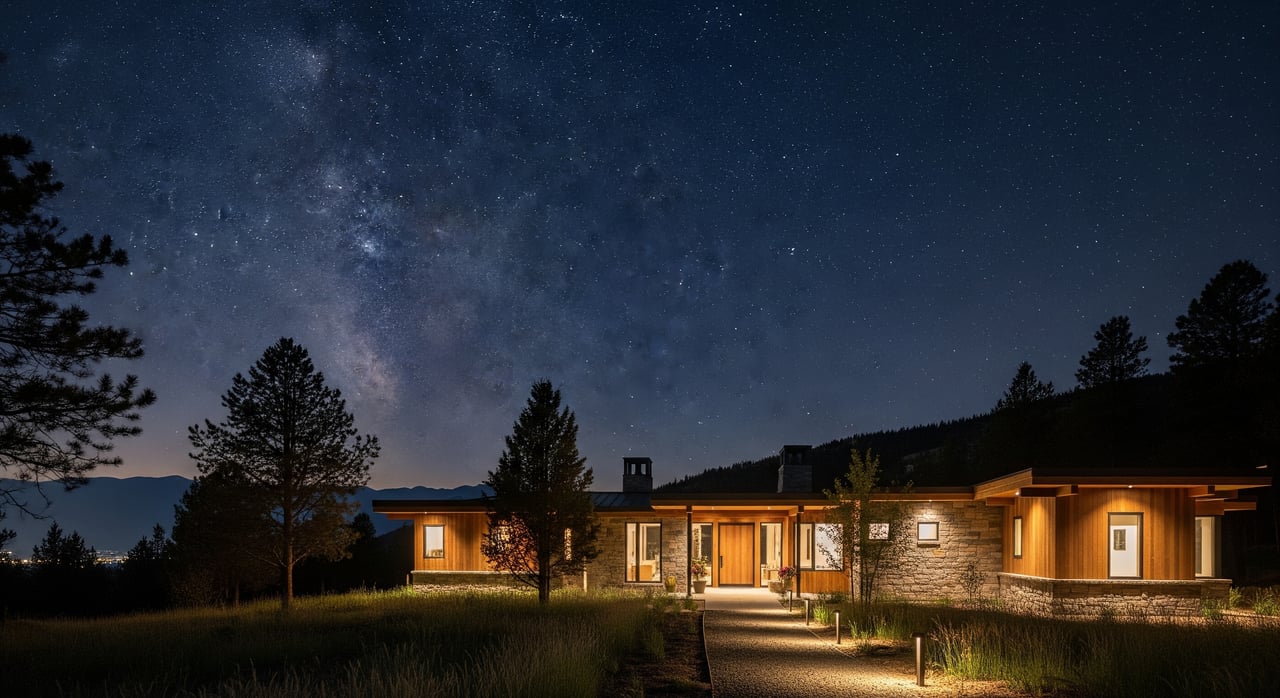
Do you love Hideout’s starry nights and want to keep your home safe, beautiful, and market‑ready? You’re not alone. Many owners here juggle practical lighting with rules that protect the night sky. In this guide, you’ll learn the dark‑sky essentials most owners overlook, how to confirm the specific rules that apply to your property, and simple steps to pass inspections, avoid fines, and impress buyers. Let’s dive in.
Why dark‑sky rules matter
Communities across Utah protect night skies to reduce light pollution, preserve mountain views, and support wildlife. Hideout owners also benefit when lighting is comfortable and glare‑free. Noncompliant lighting can lead to municipal warnings, HOA fines, neighbor complaints, or costly retrofits during a sale. The goal is balance: keep your home secure and welcoming while minimizing glare, uplight, and blue‑rich light.
How to confirm Hideout’s rules
Before you replace fixtures, add landscape lights, or start a remodel, verify the exact requirements that apply to your address.
- Contact the Hideout Town planning or building department to ask about exterior lighting standards and any permit triggers for remodels or additions.
- Check with Wasatch County building and zoning to confirm whether any countywide standards affect your parcel.
- If your home is in an HOA or metro district, request the architectural guidelines and seasonal‑decor policies.
- When you call or email, ask specifically about: “outdoor lighting,” “dark‑sky,” “exterior lighting,” “lighting standards,” or “night lighting.”
- Clarify whether there are limits for color temperature (CCT), lumens per fixture, shielding, curfews, or controls like motion sensors. Ask what documentation is required at permit submittal and final inspection.
Tip: If you plan to list your home this season, do this outreach now so you can make small, inexpensive updates before photos and showings.
Common standards to expect
Local ordinances vary, but many dark‑sky rules include the elements below. Treat these as likely topics to confirm with the town, county, and your HOA.
Fully shielded fixtures
- Most rules require fixtures that do not emit light above the horizontal plane. This reduces skyglow and protects neighbor sightlines.
Color temperature limits (CCT)
- Warm light is preferred. Many communities cap CCT at 3000 K or lower, and some encourage 2700 K or amber for sensitive areas.
Lumen/output limits
- Expect maximum lumen caps per fixture or per property for landscape and decorative lighting. Simple guidance: use only the light you need for safety and tasks.
Controls: timers and motion sensors
- Curfews are common for decorative and non‑security lighting, and motion activation is often encouraged for security lights to limit constant illumination.
Restrictions on uplighting and floodlights
- Architectural uplighting, unshielded floodlights, and searchlights are often limited or prohibited, especially if they cause glare or light trespass.
Permit and plan requirements
- Remodels and additions typically require an exterior lighting plan showing fixture types, locations, shielding, CCT, lumens, and controls, along with manufacturer spec sheets.
Exemptions and safety lighting
- Safety and emergency lighting may be exempt when shielded, aimed, warm in color, and controlled by timers or motion sensors. Confirm specifics locally.
Enforcement
- Typical process: complaint, inspection, notice to comply, then fines if not corrected. HOAs can also issue fines for violations of covenants.
Remodels and additions: do it right
Start early so lighting never holds up your permit or final. A simple plan helps you stay compliant and on schedule.
- Request applicable code text from Hideout planning and your HOA architectural review committee. Ask for sample submittals.
- Include an exterior lighting sheet in your permit drawings that shows fixture locations, manufacturer cut sheets, CCT, lumen output, shielding, mounting heights, and controls.
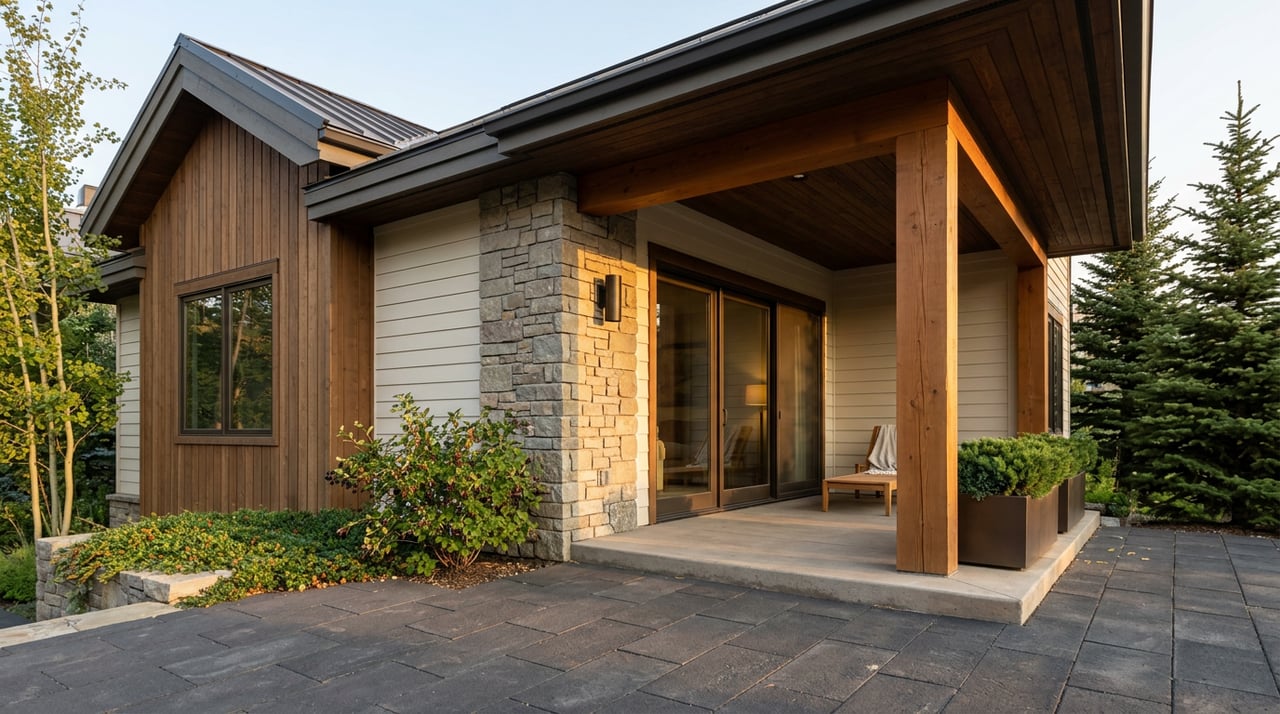
- Choose fixtures labeled “full cutoff” or “fully shielded.” Favor warm LEDs at 2700 K when allowed.
- Light only where needed for safety: doors, stairs, walkways, and garage entries. Reduce fixture counts and narrow the beam angle to avoid spill.
- Use timers and motion sensors. Program a late‑night curfew for non‑security lights.
Seasonal decor without violations
Holiday and event lighting is usually allowed within limits, often with time windows and curfews. Always verify the dates and rules that apply to your home.
- Use warm, low‑CCT LED string lights (around 2700 K or amber) and keep brightness modest.
- Aim light downward over terraces and entry areas. Avoid overhead strings that send light skyward.
- Put decor on timers or smart plugs and set an off time late in the evening.
- Avoid unshielded floodlights and rapidly flashing displays that may trigger nuisance complaints.
- Remove decor within any required window set by the town or your HOA.
Pre‑photo and showing audit
A 30‑minute lighting tune‑up before photos or open houses can elevate your marketing and reduce risk.
- Confirm permits and approvals are on hand for any exterior lighting changes.
- Walk the exterior and count fixtures. Note any unshielded or upward‑facing lights.
- Check bulb packaging or fixture labels for CCT. If unknown, swap to warm LEDs before photos.
- Test motion sensors and set timers so decorative lights turn off at a reasonable hour.
- For twilight photography, use low‑intensity pathway and step lights for safe access. Turn off unneeded floodlights and uplights.
- Turn on a few warm interior lights in key rooms to create an inviting glow without harsh contrast.
Handling complaints and risk
Good communication and quick mitigation usually resolves issues before they escalate.
- Talk with neighbors before installing new or brighter lighting. Offer to re‑aim, dim, or add shields if concerns arise.
- If you receive a notice, respond promptly, correct the issue, and document the fix with photos and receipts.
- Follow HOA dispute procedures if applicable. Mediation is often faster and less costly than formal action.
What sellers should document
Buyers and inspectors appreciate clear records. Organized files can streamline escrow and reduce surprises.
- Copies of permits and final inspection sign‑offs for exterior lighting.
- HOA or architectural review approvals for visible lighting changes.
- Manufacturer cut sheets showing model numbers, lumen output, and CCT.
- Photos proving fixtures are fully shielded and aimed downward.
- A simple property lighting inventory listing each fixture, location, type, CCT, and control (timer, dimmer, motion).
Recommended specs at a glance
Use these practical targets while you confirm Hideout’s exact requirements.
- Shielding: full cutoff fixtures that emit no light above horizontal.
- Color: 2700 K preferred; 3000 K max is common. Consider amber for sensitive areas.
- Output: lowest necessary lumens. Pathways about 50–300 lm; porch lights about 300–800 lm; avoid continuous multi‑kilolumen floodlighting.
- Controls: timers with late‑night curfews, motion sensors for security lights, and dimmers for outdoor living areas.
- Labeling: choose fixtures with clear specs for cutoff rating, lumens, and CCT to simplify permits.
Ready to list or upgrade?
If you plan a remodel, preparing to list, or want a quick compliance check before photography, a short lighting audit can protect value and elevate your presentation. With thoughtful fixture selection, warm CCT, and smart controls, you can preserve Hideout’s night skies while showcasing your property at its best. For guidance on pre‑listing prep, vendor coordination, and market‑ready presentation, reach out to Unknown Company. Let’s connect.
FAQs
What is a fully shielded exterior fixture?
- A fully shielded or full cutoff fixture prevents light from being emitted above the horizontal plane, which reduces skyglow and glare into neighboring properties.
Do Hideout holiday lights have curfews or date limits?
- Many communities and HOAs set time windows, curfews, and brightness limits for temporary decor; confirm the exact dates and rules with Hideout planning and your HOA.
How bright should pathway and porch lights be in dark‑sky areas?
- Practical targets are about 50–300 lumens for pathways and 300–800 lumens for porch lights, using warm CCT and shielding to limit glare and spill.
Do I need a lighting plan for a Hideout remodel or addition?
- Remodels and additions often require an exterior lighting plan with fixture specs, locations, shielding, CCT, lumens, and controls; verify submittal requirements with the town and HOA.
What color temperature (CCT) should I choose for exterior LEDs?
- Warm light is preferred; 2700 K is a strong default, while some jurisdictions cap at 3000 K and encourage amber for sensitive areas.
How do I reduce enforcement risk if a neighbor complains?
- Respond quickly, re‑aim or shield fixtures, lower lumen output, add timers or motion sensors, and document what you changed; prompt cooperation often avoids fines.