Are you drawn to Old Town’s charm but unsure what you are looking at on those narrow streets above Main? You are not alone. Between tiny miners’ cottages, modest Victorian touches, and sleek mountain modern infill, it can be hard to tell what is original and what is new. In this guide, you will learn how to identify the main styles, what they mean for buying and remodeling, and how Park City’s historic context shapes smart design choices. Let’s dive in.
Why Old Town looks like this
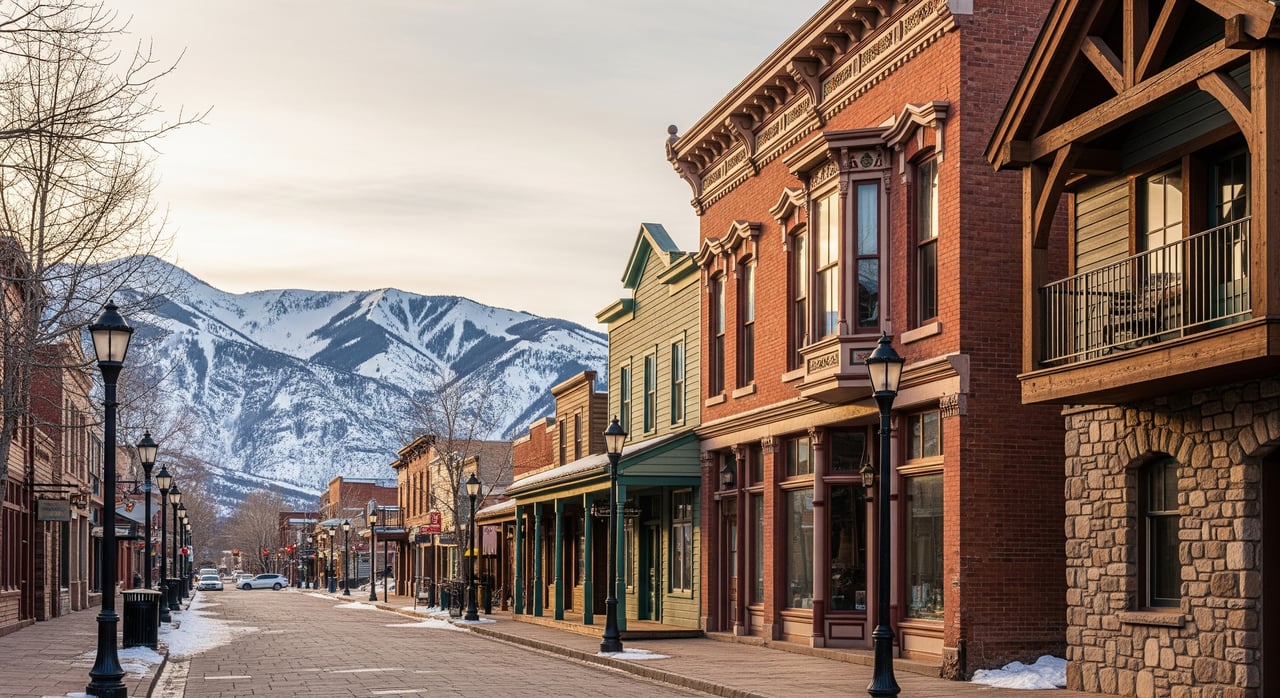
Old Town grew fast during Park City’s mining boom in the late 1800s. Workers built small houses on narrow lots close to Main Street, with simple footprints and street‑facing porches. That is why you see tight spacing, steep walks, and compact façades today. For background on the era and architecture, explore the history resources at the Park City Museum.
Over time, some homes picked up modest Victorian details, and in recent decades, new construction introduced larger homes and contemporary designs. Old Town is a recognized historic district and documented on the National Register of Historic Places. This status shapes public expectations and municipal review for visible exterior changes.
For you as a buyer or owner, this means lot patterns and street rhythm matter. Porches, rooflines, and scale often take priority in design review. Interiors can be modernized, but exterior changes visible from the street usually face more scrutiny from Park City municipal resources.
How to spot the key styles
Miners’ cottages
These are the classic Old Town originals. Look for a small, one to one‑and‑a‑half story wood‑frame house with a simple rectangular footprint. The roof is often a front gable facing the street. Many sit on narrow lots, so the façade is only one or two bays wide.
Common clues:
- A small street‑facing porch with simple posts
- Wood clapboard or shiplap siding
- Tall, narrow double‑hung windows in 1 over 1 or 2 over 2 patterns
- A raised foundation or exposed basement on downhill lots
Use phrases like front gable, narrow one‑room‑deep, and tight lot setbacks to describe what you see.
Victorian influences
Old Town does not have many grand Victorian mansions. Instead, modest homes were built or updated with restrained ornament. You might spot fish‑scale shingles in the gable, turned porch posts, simple brackets under the eaves, or a small bay window.
Common clues:
- Turned posts and simple spindlework on porches
- Patterned shingle bands in gable ends
- Bracketed eaves and modest window surrounds
This is often called Victorian detailing or gingerbread, but in Park City it is usually subtle.
Mountain modern infill
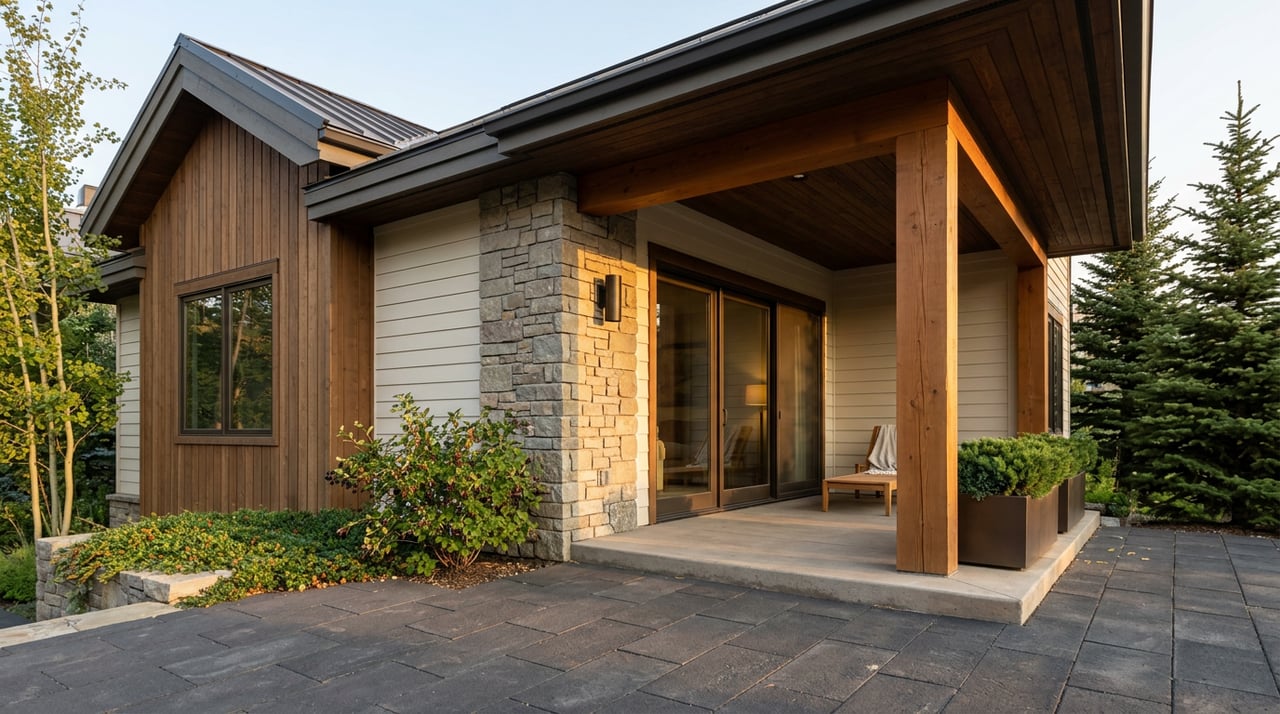
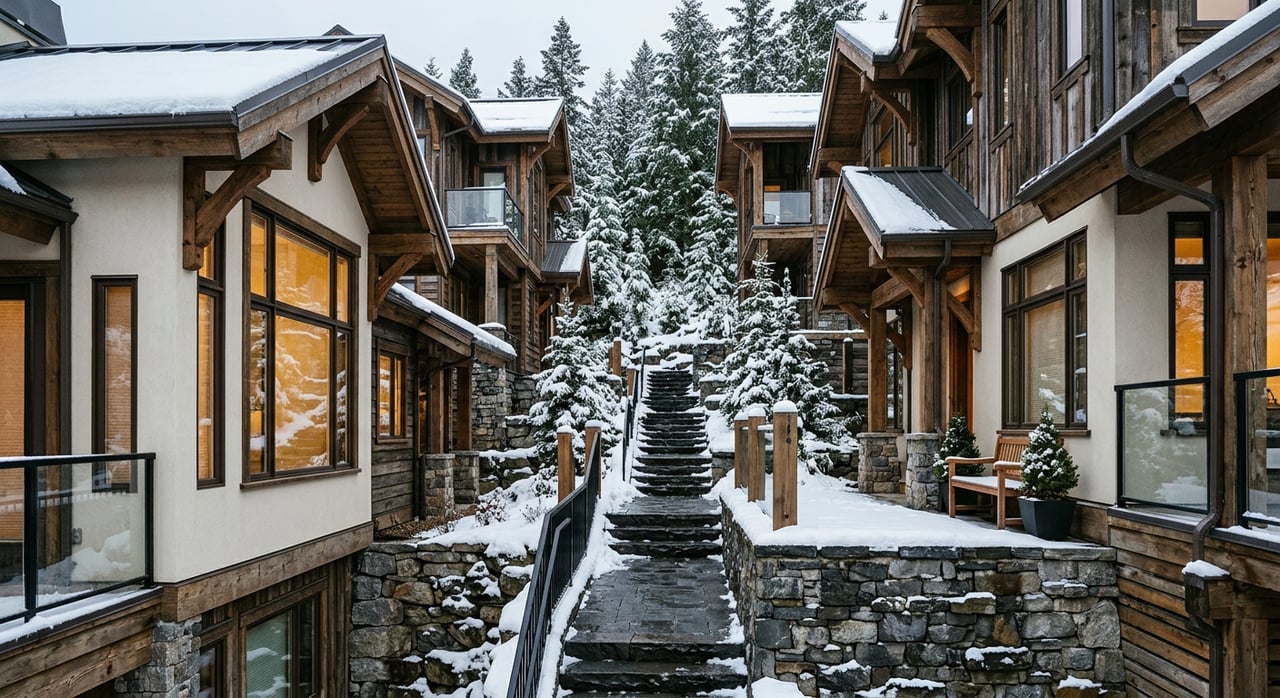
Contemporary construction in Old Town aims to balance modern living with the historic streetscape. You will notice simple geometric volumes, metal roofs, and larger glazing, often placed on the rear or uphill side.
Common clues:
- Clean rectilinear forms with floor‑to‑ceiling glass away from the street
- Natural materials like cedar, metal, and stone
- Stepped or recessed massing so the house looks smaller from the street
Designers often keep the historic façade dominant while tucking modern space behind it.
Vernacular features you will see
Across styles, a few features repeat. Roof forms include front gables, small cross gables, and shed‑roof rear additions. Porches are central to the street rhythm, whether full‑width or partial. Historic windows are taller than they are wide, with wood sash. Materials traditionally include painted wood siding and trim, while newer work blends wood, stone, metal, and fiber cement that echo historic textures without copying them exactly.
Remodeling within a historic context
What local review looks for
In Old Town, exterior changes visible from public ways typically require historic design review. Expect the city to focus on character‑defining features like porches, rooflines, massing, and the rhythm along the street. Interior‑only work usually does not trigger historic review unless it affects the exterior. For current process and contacts, start with Park City municipal resources.
Preservation standards that guide design
Park City relies on widely used preservation principles, including the Secretary of the Interior’s Standards for Rehabilitation and related Preservation Briefs. Three ideas will help you plan:
- Preserve and repair original materials where feasible.
- Differentiate new work, but keep it compatible in scale and proportion. Avoid creating a false historic look.
- Set new additions back from the primary façade so the street character remains intact.
Smart choices by feature
Porches
- Repair rather than replace when possible.
- If replacement is needed, match simple profiles, railing height, and post spacing.
- Avoid removing a porch to add a front garage.
Rooflines and dormers
- Maintain the original roof pitch and main ridge when you can.
- Dormers may work if they are modest and align with the historic window rhythm.
Windows and doors
- Keep original sash and frames when possible. They define proportion and character.
- If replacement is required, match the tall, narrow proportions and light pattern.
- Improve energy performance with storm windows or interior inserts before full replacement.
Additions
- Make new massing subordinate to the original house.
- Place larger volumes to the rear or uphill side.
- Concentrate large panes of glass where they are less visible from the street.
Materials and color
- Choose materials that are visually compatible in texture and scale.
- Natural wood, painted wood grain, and stone bases work well with subdued color palettes.
Buyer and owner considerations
Pre‑purchase checklist
Before you fall in love with a façade, take a close look at the bones of the house.
- Foundation and slope: Many lots are steep. Check for exposed basements, older cribbing, or block foundations that may need structural work.
- Roof and drainage: In Park City’s climate, roofing, gutters, downspouts, and snow management are critical.
- Mechanical systems: Older homes may lack insulation and modern HVAC, plumbing, and electrical. Budget for updates.
- Documentation: Confirm if the property sits in a local historic district. Review prior permits and any historic inventory records through Park City municipal resources and state listings via the Utah State Historic Preservation Office.
Renovation priorities
- Start with safety and structure: foundations, roof framing, moisture, and electrical.
- Weatherize with care: air sealing, attic and basement insulation, and storm windows to preserve character.
- Protect the façade: repair original siding, steps, and porch elements. If replacement is unavoidable, match scale and detail.
- Place bigger living areas at the rear or inside the mass of the home to keep the street view simple and friendly.
Common pitfalls to avoid
- Swapping a small porch for a large enclosed entry or street‑facing garage. This often conflicts with design guidance and street character.
- Putting a flat modern box or large glass wall on the front façade. Step modern volumes back and break up glazing to relate to historic proportions.
- Underestimating snow load, drainage, and slope issues. Engage a structural or soils professional early for hillside sites.
- Assuming you qualify for historic tax credits. Federal and state rehabilitation credits mainly apply to income‑producing properties, not most private homes. Check eligibility with the Utah State Historic Preservation Office.
Who to consult
- An architect or designer experienced with Park City historic district projects
- A historic preservation specialist for material and detailing advice
- City planning and historic preservation staff for pre‑application meetings through Park City municipal resources
- A structural engineer or geotechnical consultant for hillside or foundation issues
- A licensed contractor familiar with older wood‑frame construction
Planning your path in Old Town
If you love the intimacy and history of Old Town, you can modernize thoughtfully without losing its soul. The key is to respect scale, preserve defining features, and place new space where it is less visible from the street. Aligning your plan with the Secretary of the Interior’s Standards for Rehabilitation will help you communicate with your design team and streamline review.
Whether you are comparing a classic miners’ cottage with a Victorian‑influenced home, or weighing a contemporary infill option, the best projects begin with clear goals, early due diligence, and a team that speaks Old Town’s language.
Ready to explore Old Town homes or discuss a remodel strategy that fits Park City’s historic context? Reach out to Richard Taleghani for tailored buyer representation, listing strategy, valuation, and investor advisory backed by local insight and global reach.
FAQs
What defines a miners’ cottage in Old Town Park City?
- A small, one to one‑and‑a‑half story wood‑frame house with a front or side gable, narrow façade, street‑facing porch, and tall, narrow windows.
Can I add a second story to a historic cottage in Old Town?
- Possibly, but review will focus on scale and roofline. A set‑back upper level or rear addition that keeps the original façade dominant is a common approach.
Do I have to keep the original windows when remodeling?
- Not always, but preservation guidance favors repair because proportion and muntin patterns are character‑defining. If you replace, match historic proportions and consider storm inserts.
Will Park City allow demolition of a historic house in Old Town?
- Demolition is closely reviewed and sometimes discouraged. Outcomes depend on designation status and local policy, and some approvals require mitigation or documentation through Park City municipal resources.
Are historic tax credits available for my Old Town home remodel?
- Federal and state rehabilitation tax credits mainly apply to income‑producing properties. Check current homeowner options with the Utah State Historic Preservation Office.
What materials are considered compatible for additions in Old Town?
- Choose materials that fit the neighborhood’s scale and texture, such as wood siding, stone bases, and metal roofs, while avoiding a false historic look. New work should be compatible yet clearly new, per the Secretary of the Interior’s Standards.