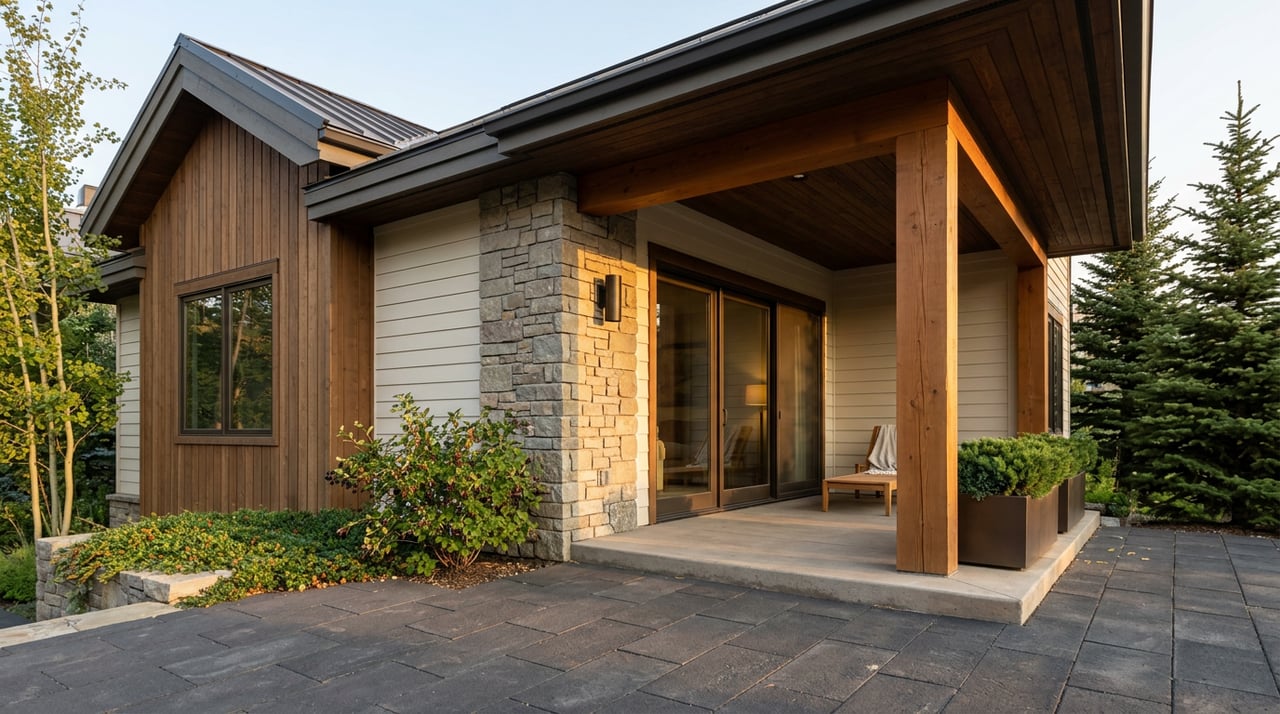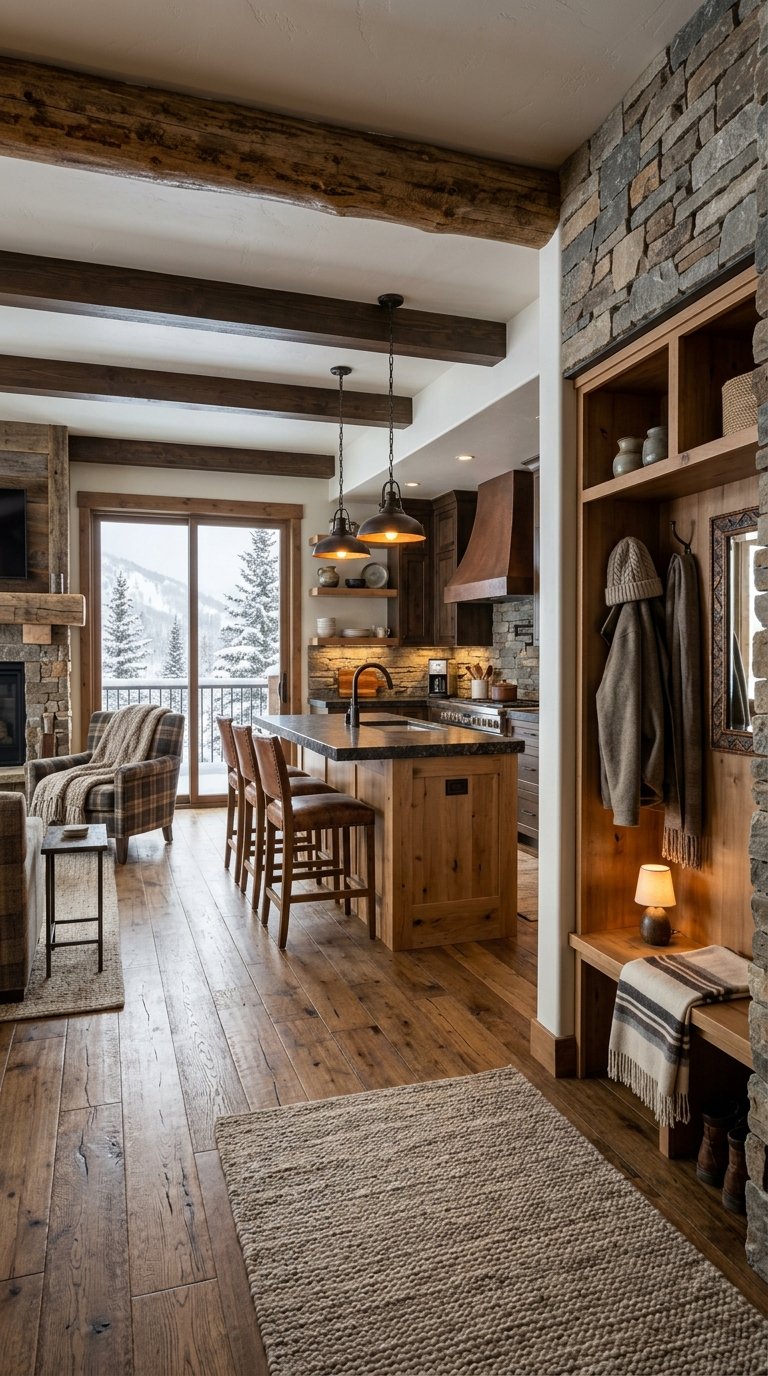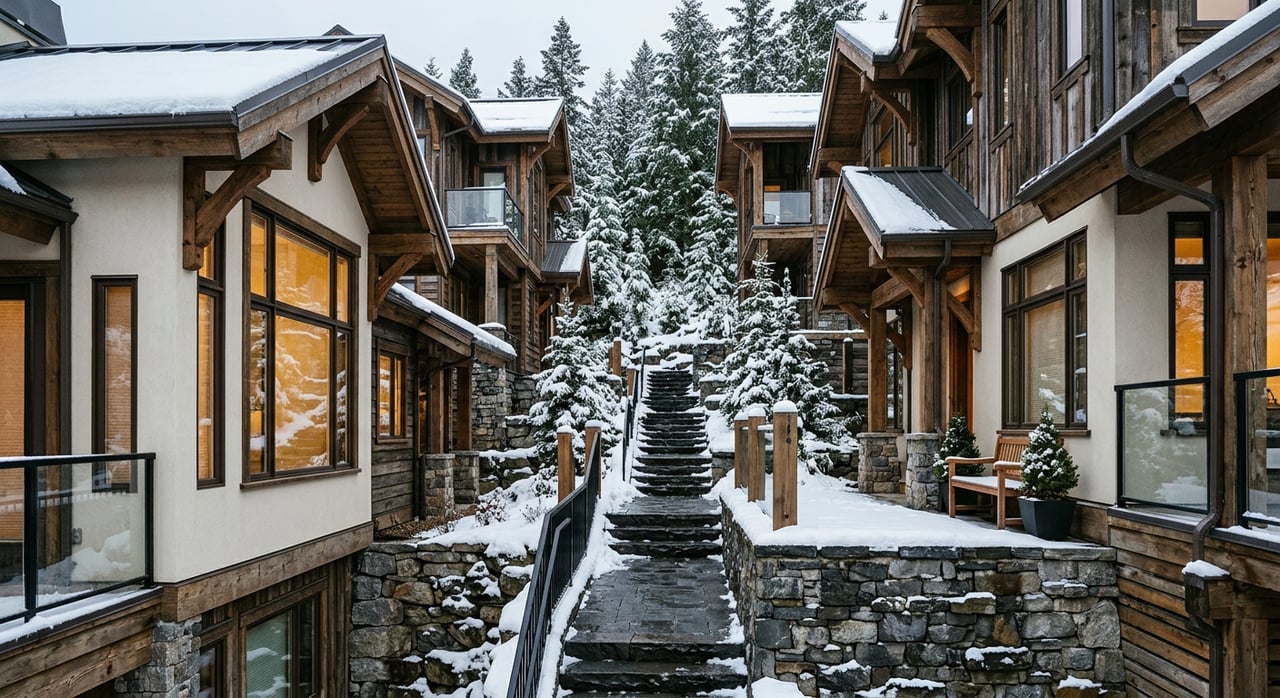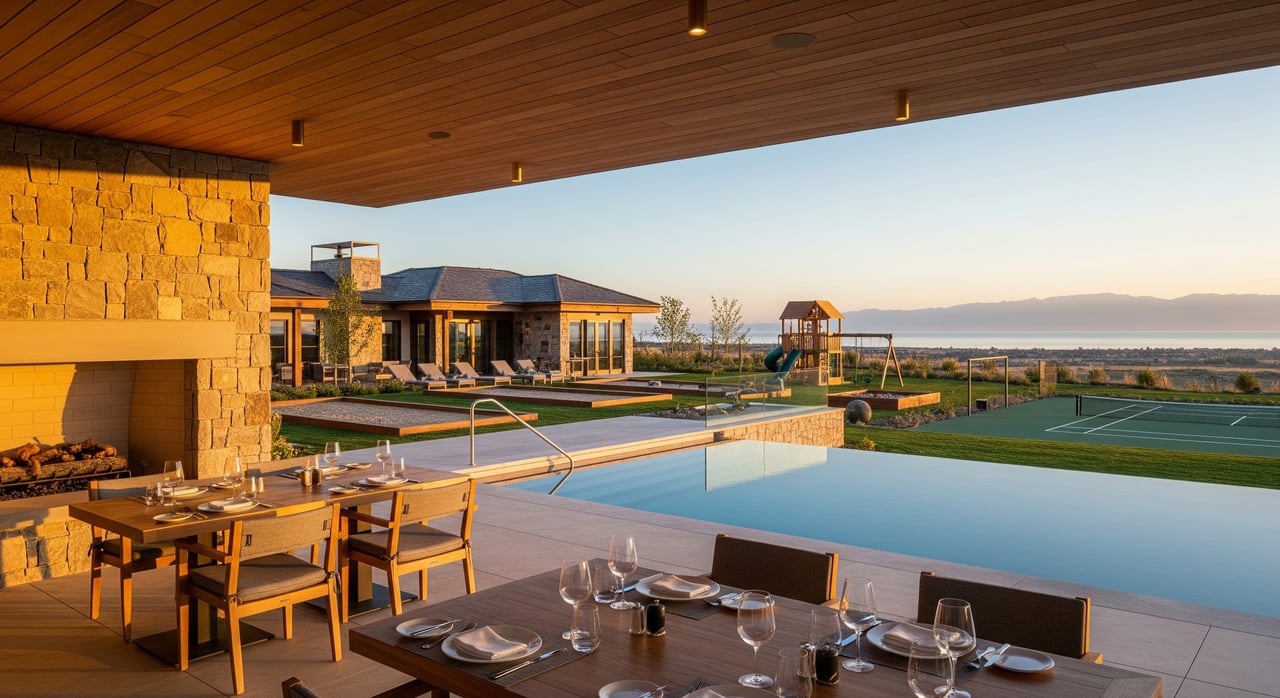
If you are sizing up Promontory for your next mountain home, you want more than a pretty view. You want a daily rhythm that works for you, your guests, and your schedule across every season. The right mix of club access, dining, fitness, outdoor fun, and family programming can turn a property into a lifestyle that truly fits.
This guide walks you through the core amenity categories to evaluate at Promontory, how they tend to operate through the year, and the practical questions to ask before you buy. You will learn how clubs, dining, golf, wellness, trails, and youth programs come together, plus the policies that affect day‑to‑day living and ownership. Let’s dive in.
Clubhouses and dining essentials
Clubhouses are the social hub. You will usually find a mix of casual and refined spaces with indoor and outdoor seating, lounge areas, and on‑site event rooms. The way dining runs matters for daily life, from breakfast before school drop‑off to family dinners after activities.
Key details to confirm:
- Dining formats and hours: casual grill, bar/lounge, seasonal outdoor patios, and any formal dining rooms.
- Reservation practices during peak weeks and holidays.
- Food and beverage charges: member account billing and guest use rules.
- Private events: hosting capacity, booking windows, and blackout dates that may limit regular dining.
- Seasonal operating shifts, especially shoulder seasons when hours may be reduced.
Pro tip: Ask for a current weekly schedule and any holiday calendars so you can see how service flexes throughout the year.
Golf and practice for all ages
If golf is part of your plan, look closely at course access and the quality of practice facilities. Strong programming and predictable tee time policies can make a big difference for both avid players and juniors.
Questions to ask:
- Number and type of courses, plus any putting or short‑course options.
- Practice resources: range, short‑game areas, and simulator bays for winter.
- Teaching programs: staff pros, junior clinics, and coaching for all levels.
- Tee time rules: member priority, booking windows, guest access, cart rules, and dress codes.
- Winter operations: simulator use, indoor clinics, and timing for course closures.
Tip: Check how the club balances member play with events so you can plan around busy weeks.
Fitness, spa, and pools
A well‑run fitness and wellness program supports your routine in every season. It is not just about equipment, it is about layout, class quality, and age‑appropriate access for kids and teens.
What to review:
- Cardio and strength areas, plus dedicated studios for yoga, Pilates, or spin.
- Group class schedules, private training, and wellness programs.
- Spa services and facilities such as treatment rooms, sauna, or steam.
- Pool options: indoor, outdoor, lap lanes, and seasonal poolside service.
- Age policies for youth use and any childcare support during classes.
Ask whether spa and class access is member only or if non‑members can book services as guests.
Trails and outdoor network
Mountain living starts outside. Your daily and weekly rhythm may include paved paths for strollers, singletrack for mountain bikes, and scenic routes for hikes or snowshoeing.
Considerations for the trail system:
- Types of trails: paved multi‑use, hiking routes, and bike‑friendly singletrack.
- Maps and signage for easy navigation.
- Maintenance and grooming responsibilities, including winter snow grooming.
- Connectivity to regional trail systems and nearby public lands.
- Equestrian access and facilities if riding is part of your routine.
If trails are a priority, ask to see current trail maps and any winter grooming schedules.
Family programming that works
Families often organize their weeks around reliable youth programs, camps, and clinics. The goal is a balanced calendar that keeps kids engaged while giving you time for work, wellness, or a tee time.
What to verify:
- Kids camp timing, age ranges, staffing, and enrollment caps.
- Youth sports clinics: golf, tennis, biking, skiing, or multi‑sport.
- Supervised play options, parent‑child classes, and teen‑focused activities.
- How registration works for peak summer and holiday weeks.
- Policies for non‑member guests or visiting family.
Helpful step: Request sample weekly schedules for summer and winter so you can map your routine to programming.
Seasonal living: summer to winter
Mountain clubs operate on a true four‑season calendar. Hours shift, courses may close, and outdoor programs adjust with the weather. Plan for smooth transitions by understanding how the calendar flows.
Summer day example to plan around:
- Morning: kids camp drop‑off or swim lessons; your workout, spa appointment, or tee time.
- Midday: trail hike or family bike ride; casual poolside lunch.
- Afternoon: kids arts, sports, or nature program; quiet time or a lesson.
- Evening: casual grill dinner and a community concert or movie night.
Winter day example to plan around:
- Morning: on‑site cross‑country ski or snowshoe; or shuttle options to nearby ski areas if available.
- Midday: hot lunch at the clubhouse; indoor playroom or youth program.
- Afternoon: ski lessons for kids or a winter fitness class.
- Evening: sauna or hot tub, then a relaxed dinner and seasonal event.
Ask for the winter and shoulder‑season calendars. It helps you see how services adjust when the weather shifts.
Social calendar and events
A strong social calendar brings the community together across interests and ages. Look for a consistent rhythm that blends casual gatherings with signature events.
Items to confirm:
- Weekly socials, live music, themed dinners, and holiday traditions.
- Member groups like book clubs, outdoor meetups, or wellness circles.
- Family‑friendly events throughout the year.
- Private event capacity and how member access is prioritized during large functions.
Knowing the cadence helps you plan visits and host friends without surprises.
Services that simplify life
Behind the scenes, the right services keep things running, especially for second‑home owners and frequent travelers. This is where daily convenience and peace of mind come together.
Ask about:
- Member services and concierge support.
- Preferred vendor lists for housekeeping, maintenance, lawn care, and snow services.
- On‑site property management and response times.
- Security, gated access, and guest sign‑in procedures.
If you plan to be away for long stretches, confirm property checks, package handling, and winter readiness support.
Membership, HOA, and policies
Understanding the financial and policy framework is as important as touring the clubhouse. These details affect access, budget, and flexibility when hosting guests or renting the home.
Key questions:
- Is club membership required for homeowners, or optional? What access do non‑members have?
- Membership categories: resident, non‑resident, junior, or other options.
- Transfer rules when you buy or sell, and whether memberships can be assigned.
- What HOA fees cover versus club dues, and how billing is structured.
- Guest access policies, including limits and charges.
- Rental policies for short‑term or seasonal leases and whether renters can use club facilities.
- Seasonal reservation practices for dining and tee times during peak demand.
Avoid surprises by requesting current membership documents, HOA guidelines, and a fee summary.
How amenities shape your home search
Amenities do not just fill your calendar, they influence which homes fit best and how you will use them. Think about daily logistics and the seasons ahead.
Consider:
- Proximity and walkability: being close to clubhouses, pools, and kids programs adds convenience, but may come with higher traffic and price premiums.
- Home orientation and storage: south‑facing lots may capture more winter sun; mudrooms, gear closets, and heated garage storage can be game‑changers.
- Programming access: if camps and indoor pools are central to your plan, living near those facilities reduces winter driving.
- Budget planning: add HOA fees and club dues to your ownership model, and compare across communities in the Park City area.
- Hosting capacity: ensure parking and guest accommodations match your holiday plans, especially if visiting family relies on club access.
Before you write an offer, map your typical week in both summer and winter, then test that plan against the community’s calendar and layout.
Your next step
Promontory’s appeal comes from a complete lifestyle stack that can support everyday living, weekend escapes, and multigenerational gatherings. The best way to move forward is to align your routines with the club’s calendar and policies, then target homes that make that rhythm easy.
If you want a tailored plan, neighborhood nuance, and help securing documents and schedules, connect with Richard Taleghani. You will get local guidance, operational detail, and a clear path to a confident purchase.
FAQs
Is club membership at Promontory mandatory for homeowners?
- Membership requirements vary by community policy; request current membership documents to confirm whether ownership includes or requires a club membership and what access non‑members have.
What is usually covered by HOA fees versus club dues at Promontory?
- HOA fees typically address neighborhood services while club dues cover amenity use, but exact inclusions differ; ask for a written breakdown from the HOA and the club.
How do Promontory kids camps and youth programs operate?
- Programs are seasonal with defined ages, schedules, and enrollment caps; review current calendars, staffing ratios, and registration windows for peak weeks.
What winter activities should I expect at Promontory?
- Many mountain clubs offer groomed routes and indoor alternatives during closures; verify current winter offerings, grooming schedules, and clubhouse hours before planning.
Are there shuttles to ski resorts or airports from Promontory?
- Shuttle availability and schedules are seasonal and subject to change; confirm routes, fees, and booking procedures with member services.
How does guest access to Promontory amenities work?
- Guest policies set limits on numbers, frequency, and charges; ask for written guest rules and whether access differs during peak periods.
Can I rent my Promontory home short term and allow renters access to the club?
- Rental allowances and club usage for renters depend on HOA and club rules; obtain current rental policies and any required registrations or insurance.
How far in advance should I book dining or tee times at Promontory?
- Peak seasons often use priority windows and reservations; request the current advance booking policy for dining, golf, and special events.