Thinking about a second home tucked into Park City’s storied Old Town? The charm is real, but so are the rules, snow totals, and parking quirks that come with 84060 living. If you want a low‑stress, high‑reward retreat, you need a clear playbook. This guide breaks down what to expect on historic design review, nightly rentals, access during events, and winter maintenance so you can buy with confidence. Let’s dive in.
Why Old Town appeals
Historic Park City blends turn‑of‑the‑century storefronts, narrow hillside streets, and walkable access to dining and lifts. The city actively preserves this character through published Historic District Design Guidelines that shape how exterior work gets approved. If you love authentic mining‑era architecture and a vibrant Main Street scene, this district delivers.
At the same time, second‑home ownership here works best when you plan ahead. Smaller lots, limited off‑street parking, and a formal review process for exterior changes all shape daily use and long‑term value.
What you will find in 84060
Property types and historic context
You will see small single‑family cottages, mining‑era homes, stacked flats, and storefronts with residences above. Many buildings sit on compact lots with steep entries and tight building footprints. Exterior changes often require a Certificate of Appropriateness under the city’s Historic District Design Guidelines, which outline treatments for Landmark and Significant sites and set expectations for materials and additions. Refer to the city’s Historic District Design Guidelines before planning renovations.
Local reporting also notes a high share of homes classified as seasonal or second‑home use, which affects neighborhood rhythm and rental demand. You should factor that context into your expectations for activity levels and guest turnover in peak seasons. See background from local reporting on short‑term rental trends.
Parking and daily access
Old Town streets are narrow and hilly, and many historic properties lack dedicated garages or driveways. Municipal lots, garages, and time‑limited street parking manage daily demand, with event days adding more constraints. Before you rely on guest parking or plan to operate a rental, review the city’s parking maps and management zones and verify any deeded or assigned stalls on site.
Renting your second home: rules that matter
Nightly rental licensing basics
If you plan to rent for fewer than 30 days, Park City requires a Nightly Rental License. The process involves an application, a building inspection, and compliance with Municipal Code sections prior to operation. Start with the city’s Nightly Rental License overview to understand steps, timing, and documents you will need.
Required management standards
City rules require safe access, routine upkeep, and clear accountability for who handles snow removal and parking areas. If there is an HOA, it may handle some exterior and common‑area duties. Otherwise, owners must provide a management statement and meet inspection standards. Review the city’s minimum management conditions summarized in the public meeting record for nightly rentals, including snow and safety expectations, in this license standards summary.
Zoning, HOAs, and permitted use
Whether a specific property can operate as a nightly rental depends on zoning and the Land Management Code. Even if the city allows nightly rentals in a zone, an HOA’s CC&Rs can impose additional limits or bans. Always verify parcel‑level zoning and request CC&Rs and rental policies before you submit an offer. Utah’s condo and community association statutes outline HOA powers and procedures; review the relevant statutes in Title 57 with your advisor.
Taxes and registrations
License holders are responsible for registration and tax compliance. Some platforms may remit certain state taxes, but you remain accountable for reporting and accuracy. The city’s Nightly Rental License page outlines licensing and points to state tax guidance.
Historic district review: what changes need approval
Modernizing a historic‑core property is possible, but exterior work that affects character often needs formal review. The Design Guidelines detail preferred treatments, in‑kind repair, and documentation requirements. Items like additions, facade changes, or demolition will trigger more scrutiny, and this process can add time and constrain materials or design choices. Start early with the Historic District Design Guidelines to set realistic schedules and budgets.
Access and event seasons
Festivals and closures
Major events such as Sundance, the Arts Festival, and holiday weekends bring street closures, restricted Old Town access, and stricter towing. You and your guests should plan for drop‑off, luggage, shuttles, and longer walks during these windows. Review the city’s current special event and Sundance parking guidance each season.
Guest parking expectations
Nightly rental rules emphasize that guest vehicles must not block circulation or public safety. If a home lacks off‑street parking, that affects both guest experience and rental feasibility. Confirm on‑site stalls, size, and access, then pair that with the city parking maps to plan realistic guest instructions.
Snow, weather, and maintenance planning
Elevation and snowfall realities
Park City sits near 7,000 feet, and nearby ski terrain reports long‑term seasonal snowfall in the mid‑300 inches. That means real roof loads, icy walks, and occasional access delays. For climate context, review local station data at Climate‑Charts.
Who clears what in winter
The city prioritizes certain sidewalks and routes, while adjacent property owners must clear many sidewalks and private stairs within set timeframes after a storm. If you operate a nightly rental, snow removal is also a license condition for safe access to doors and parking. The city’s Snow Removal code outlines responsibilities and relief procedures; see the ordinance PDF here: Park City Snow Removal requirements.
Snow storage, hauling, and roof safety
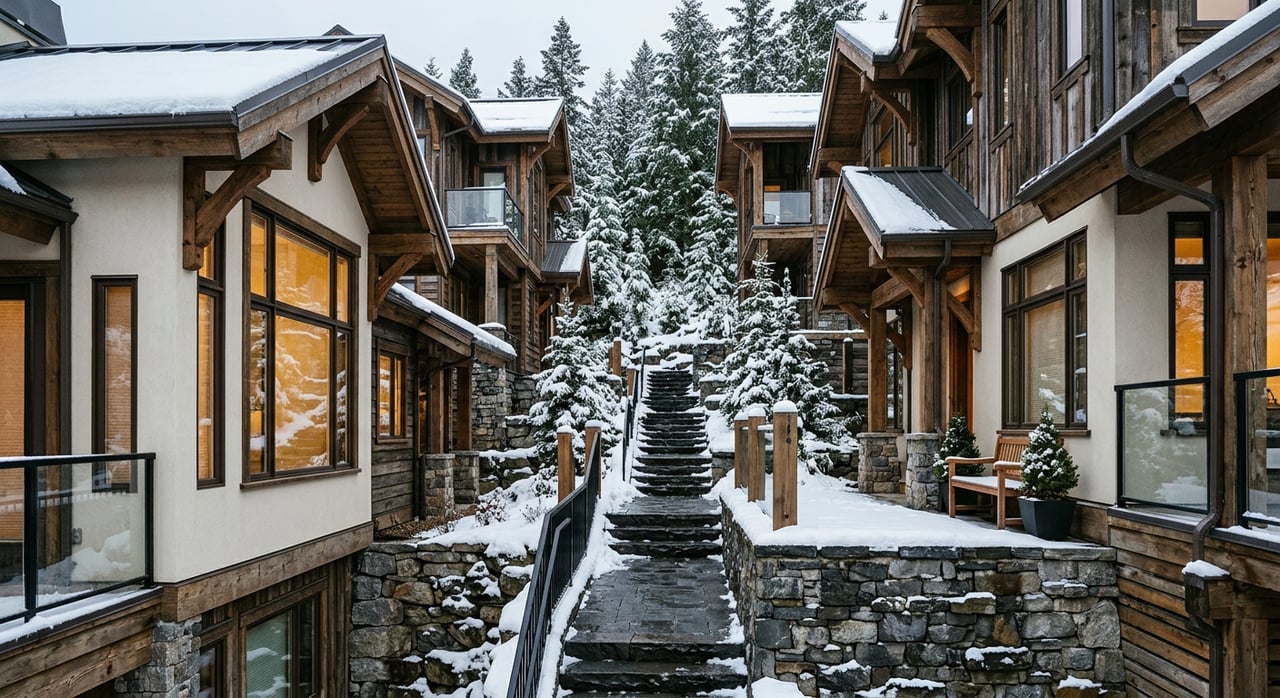
Old Town has limited space to pile snow. In heavy winters, the city sometimes hauls snow out to keep streets passable. Unmaintained roofs can accumulate dangerous loads that risk leaks or structural stress. Local reporting has documented snow‑haul operations and safety concerns; see coverage on Old Town snow hauling and roof stress.
Practical winterization checklist
To reduce risk and protect your investment, plan for:
- Smart thermostats and remote monitoring.
- A local property manager for regular winter check‑ins and snow coordination.
- Insulated pipes and a clear freeze‑prevention plan for vacancy periods.
- Routine exterior maintenance on paint, siding, windows, and roofs.
- Compliance with inspection standards before renting, as summarized in this nightly rental standards overview.
HOA vs standalone: what changes for you
If you buy a condo or a unit in an association, shared systems and common‑area snow removal can reduce hands‑on work. HOAs often manage exterior paint, roof programs, common‑area maintenance, and parking assignments, with rules that may limit short‑term rentals. In a standalone home, you will handle or contract for all exterior upkeep, snow, and guest coordination yourself. The city’s Nightly Rental License guide explains how maintenance responsibility is documented for licensing.
Pre‑purchase due diligence checklist
Use this quick list to keep your process clean and thorough:
- Confirm parcel zoning and allowed uses with Park City Planning, including whether nightly rentals are permitted in your zone. Start with the Nightly Rental License page for city contacts and process.
- Check whether the property appears on the city’s Historic Sites Inventory and review previous approvals. Begin with the Historic District Design Guidelines and request site‑specific documentation.
- Obtain CC&Rs, bylaws, recent HOA minutes, and rental and parking policies. Review Utah’s association statutes in Title 57 for guardrails on HOA powers.
- Verify on‑site or deeded parking stalls, their size, and access routes. Cross‑check against city parking maps and consider winter driving constraints.
- Request a recent inspection and evidence of updated systems. If you intend to rent, ensure you can meet inspection standards summarized in the license standards overview.
- Review seasonal event calendars and access guidance so you understand closures and guest logistics during peak events. See the special event parking guidance.
Is Old Town right for you?
If you want a walkable, character‑rich base in the heart of Park City, Old Town rewards thoughtful planning. You will balance historic‑district stewardship with real‑world logistics like snow removal, parking, and event access. With the right management plan and a clear view of licensing and HOA rules, a second home here can be both a personal retreat and a well‑run asset.
If you would like a tailored plan for your goals, from property selection and due diligence to rental strategy and hands‑off care, connect with Richard Taleghani. You will get concierge‑level guidance backed by deep local experience and a proven track record helping absentee owners succeed in Park City.
FAQs
Can I buy in Old Town and rent nightly?
- Maybe. You must confirm zoning and HOA rules, then secure a Nightly Rental License with inspection and management standards met.
How hard is parking for owners and guests in 84060?
- It varies by property. Many homes lack garages, street parking is often paid or time‑limited, and events add constraints. Verify on‑site stalls and nearby municipal lots.
Who clears snow at my second home?
- The city clears priority routes, while owners, managers, or HOAs must clear adjacent sidewalks and private access. Nightly rental licenses require safe access and parking clearance.
Do historic rules stop me from modernizing?
- No. You can update interiors freely in most cases. Exterior changes that impact historic character typically need review and must follow the city’s Design Guidelines.
How do HOAs affect rentals and upkeep?
- HOAs can limit short‑term rentals and will often handle common‑area maintenance, snow, and parking assignments. Standalone owners manage all exterior work and service contracts themselves.