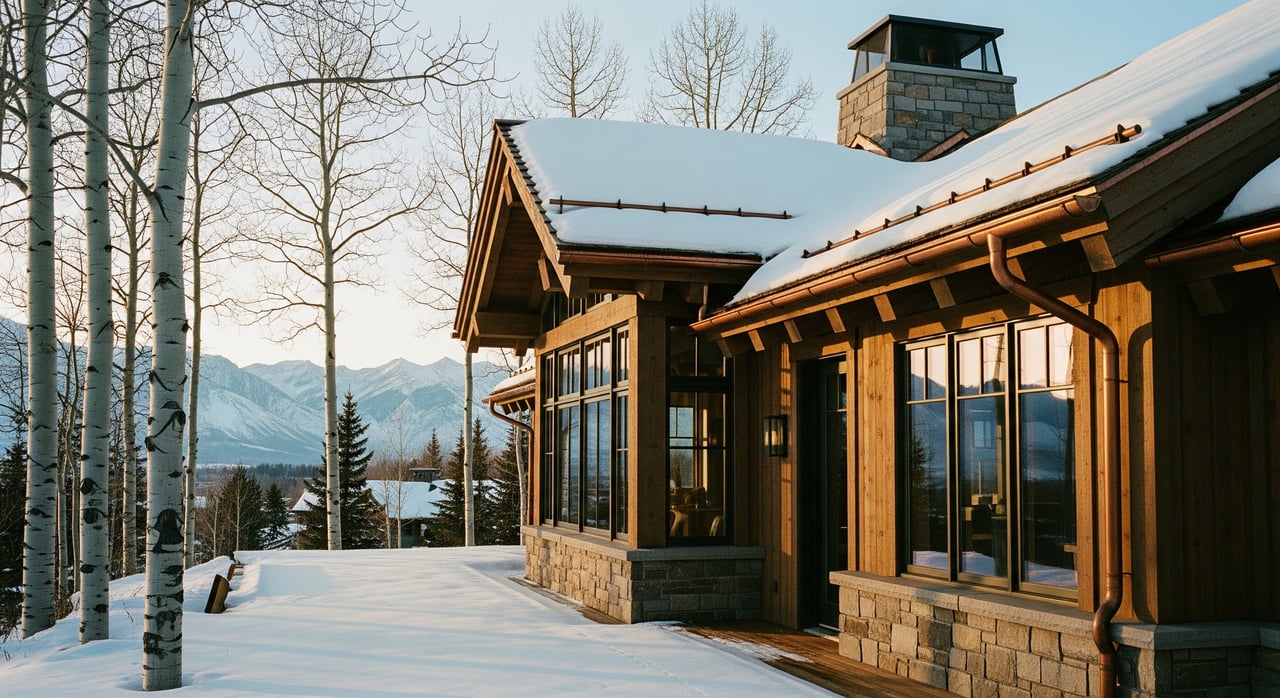
Icicles might look magical on a Hideout roof, but they can signal a bigger problem. With Hideout averaging about 95 to 100 inches of annual snowfall, ice dams are a recurring winter risk. Whether you live here full time or own a second home, preventing ice dams protects your roof, interiors, and peace of mind. In this guide you’ll learn why ice dams form, what to do right now, and the long-term upgrades that work. Let’s dive in.
Why ice dams happen
Ice dams form when heat escapes into the attic or roof cavity, warms the roof, and melts the snow. That meltwater runs to the cold eaves, refreezes, and builds a ridge of ice that can force water back under shingles. Building-science guidance explains how this melt-refreeze cycle starts with roof heat and cold eaves in snowy climates like ours (overview of eaves in cold climates).
Common contributors include warm air leaks from the living space, low attic insulation, unbalanced or blocked ventilation, and complex roof details. Sealing attic bypasses such as access hatches and recessed lights reduces warm air movement into the attic (attic air sealing basics). Roof geometry, valleys, and gutters can also complicate drainage and increase risk in heavy-snow zones (technical roof elements).
Short-term steps this winter
Use these quick actions to lower risk during storms:
- Roof rake after significant snow. From the ground, pull snow off 3 to 6 feet above the eaves to reduce meltwater volume. Do not climb on an icy roof. See safe methods like roof rakes and melt socks in this guide to snow and ice-dam removal basics.
- Create melt channels with calcium chloride. Fill socks or tubes with calcium or magnesium chloride and lay them perpendicular to the eave to carve drainage paths. Avoid rock salt to protect roofing and landscaping.
- Keep gutters clear. Clean gutters before winter. Understand that gutters do not cause ice dams by themselves, but debris and improper placement can worsen ice buildup at the eaves.
Long-term fixes that last
The most durable solutions follow a clear order of operations. Start at the ceiling plane, then improve insulation and ventilation, and add protective membranes.
- Air seal the ceiling plane
- Seal attic accesses, plumbing and wiring chases, and around fixtures to keep warm indoor air out of the attic. This often delivers the biggest reduction in ice-dam risk (air sealing priorities).
- Increase attic insulation
- In our cold IECC Climate Zone 6, target high attic R-values to reduce heat transfer to the roof deck. ENERGY STAR’s guidance on recommended insulation R-values supports aiming for robust ceiling insulation levels typical of Zone 6 homes.
- Balance attic ventilation
- Provide continuous soffit intake and ridge or high-outlet exhaust. As a rule of thumb from code and industry practice, plan minimum net free ventilation of about 1 square foot per 300 square feet of attic floor area when balanced and detailed correctly. Use baffles to keep the airflow channel open at the eaves (ventilation sizing basics).
- Add eave ice-barrier underlayment
- During reroofing, install a self-adhering membrane at the eaves, valleys, and around penetrations. It provides a critical second line of defense if ice dams form and water backs up (ice and water barrier guidance).
- Upgrade roof details during major work
- If you are reroofing, consider continuous rigid insulation above the roof deck to keep the deck warmer and reduce melt. Improve flashing around skylights, chimneys, and valleys, and confirm membranes extend as required by manufacturer and local practice.
Heat cables and snow guards
- Heat cables can help in targeted spots but they do not fix root causes. They add energy use and require correct setup, so treat them as supplemental only (heat cable considerations).
- Snow guards help manage sliding snow on metal and steep roofs. They are not a cure for ice dams, so evaluate them as part of an overall roof plan.
When to call a pro
Hire a qualified contractor if you see large dams, active leaks, or have a steep or complex roof. Professionals often use low-pressure steam or controlled hot water, which is less likely to damage shingles. Costs vary by method and roof size, typically ranging from several hundred to the low thousands for an average project (ice-dam removal cost and methods). Avoid chisels or metal tools that can tear roofing.
Code and local checks
- Many cold-climate jurisdictions and roofing manufacturers require or strongly recommend ice-barrier underlayment at the eaves. Confirm details during any reroof or major repair.
- Verify permits, code requirements, and HOA rules in Hideout or Wasatch County before installing visible roof devices like cables or guards.
- For ventilation, confirm manufacturer instructions and local code language around balanced intake and exhaust.
Buyer and seller notes
If you are buying or selling in Hideout, ice-dam resilience is a smart part of due diligence. Ask for documentation on attic air sealing, insulation R-values, ventilation layout, and eave membranes. A simple attic inspection and, for bigger projects, a blower-door test can guide targeted upgrades. For Zone 6 homes, many owners aim for high attic R-values and balanced ventilation to minimize melt at the roof deck.
Protect your Hideout home
Ice dams are not just a winter nuisance. They are a building-performance signal you can address with smart maintenance and the right upgrades. If you want local perspective on which improvements matter most for long-term value and comfort, reach out to Richard Taleghani for tailored guidance.
FAQs
What is an ice dam and why are Hideout homes at risk?
- An ice dam is a ridge of ice at the eaves that forms when roof heat melts snow that refreezes at the overhang; Hideout’s heavy snowfall and cold eaves make this a recurring winter issue (overview, local snowfall context).
What can I do today to reduce ice dams on my roof?
- Safely remove snow with a roof rake, use calcium chloride melt socks to open channels, and keep gutters clear of debris to improve drainage (how-to basics).
What insulation level should I target in Hideout’s climate?
- In IECC Climate Zone 6, aim for high attic R-values consistent with cold-climate guidance to reduce heat reaching the roof deck (recommended R-values overview).
Are heat cables a good solution for ice dams?
- Use them only as a supplement; they do not address root causes like air leaks and low insulation and they add energy use (heat cable considerations).
How do professionals remove ice dams and what does it cost?
- Pros often use low-pressure steam or controlled hot water to minimize roof damage; costs vary by size and method, commonly several hundred to low thousands for typical projects (removal cost and methods).